


A Guide to Maintaining Your Boiler After Install
Updated: Oct 11, 2024
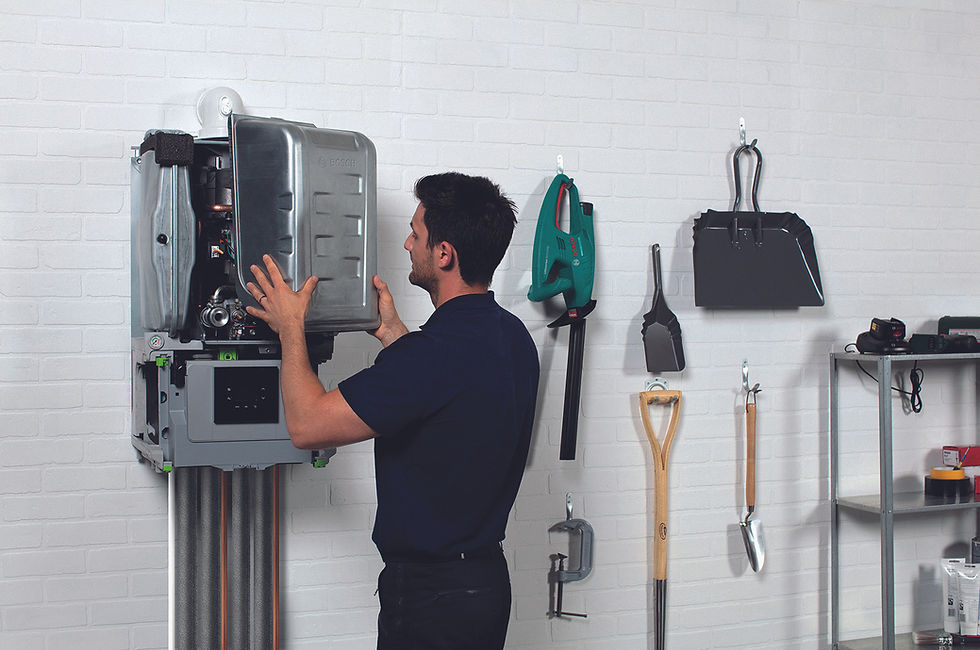
Congratulations on your new boiler install. You’ve taken the first step towards a warmer, more comfortable home. But, just like a new car, your boiler requires a little TLC to keep it running smoothly. Regular maintenance not only extends the life of your boiler but also keeps it operating efficiently and safely. At Wells Spa Plumbing & Heating, we’re here to guide you through some straightforward steps to maintain your boiler after installation.
Why Regular Boiler Maintenance is Important
Maintaining your boiler is essential for several reasons:
Efficiency: Regular upkeep ensures your boiler runs at peak efficiency, saving you money on energy bills.
Longevity: Well-maintained boilers last longer, delaying the need for costly replacements.
Safety: Regular checks help identify potential issues before they become serious hazards, ensuring your home remains safe.
Essential Maintenance Tips after Boiler Install
Here's a handy guide to help you keep your boiler in top condition after installation:
1. Follow the Manufacturer's Service Requirements
After a boiler install, the first step is to check the service requirements specified by the installation engineer or manufacturer. Most manufacturers recommend an annual service. This yearly check-up is crucial to ensure everything is running as it should, and scheduling it before the cold weather sets in ensures your boiler is winter-ready.
Tip: Keep your service record up to date. A well-documented history can be a lifesaver if warranty claims arise.
2. Ensure Proper Airflow
If your boiler is tucked away in a cupboard, ensure there’s adequate airflow around it. Avoid cramming the space with items, as poor ventilation can affect the boiler’s performance and efficiency. Proper ventilation keeps your boiler running smoothly and safely.
Tip: Consider installing a vent if the cupboard is particularly cramped. This will help maintain optimal airflow.
3. Regularly Check the Pressure
For sealed systems, checking the boiler pressure every 2-4 months is vital. The pressure should typically be set between 1 and 1.5 bars. If you find yourself topping up the pressure more than four times a year, there might be an underlying issue that needs professional attention.
Tip: Use a sticker or mark on the boiler with the ideal pressure range for easy reference.
4. Inspect for Leaks
Regularly inspect your boiler and surrounding pipes for any signs of leaks. Even a small leak can indicate a larger problem that could lead to more significant issues if left unchecked.
Tip: Place a small drip tray under the boiler. It’s an easy way to spot leaks early.
5. Keep the Flue Terminal Clear
The flue terminal, found on the exterior of your home, is crucial for safely expelling exhaust gases from your boiler. To ensure safe operation, make sure the flue terminal is free from obstructions such as leaves, debris, or snow. A blocked flue can lead to dangerous gases, like carbon monoxide, accumulating inside your home.
Tip: Regularly check the flue terminal, especially after storms or heavy snowfall, to ensure it remains clear and unobstructed. Keeping the area around it tidy will help maintain good airflow and prevent any hazardous gas build-up.
6. Monitor for Fault Codes or Warning Lights
Periodically check your boiler’s display for any fault codes or warning lights. If you notice anything unusual, it’s best to contact a qualified gas engineer to diagnose and fix the problem. Don’t attempt to repair the boiler yourself.
Tip: Keep your boiler manual handy for a quick reference to what those codes mean. If you can’t find it, many manufacturers have manuals online.
7. Bleed your Radiators
If your radiators aren’t getting hot, it might be time to bleed them to remove trapped air. After bleeding, remember to check the boiler pressure and top it up if necessary to ensure optimal performance.
Tip: Keep a radiator key in an easy-to-find spot to make bleeding radiators a hassle-free task. Also, have a cloth ready to catch any drips. If you aren’t confident in doing this yourself, contact a professional.
8. Test Heating Before Winter
Test your heating system a month before the cold weather arrives. This proactive step can save you the cost and inconvenience of calling an engineer during peak times when waiting times are longer.
Tip: Make it a tradition to do this check-up around the same time you swap out your summer wardrobe for your winter one.
9. Schedule Annual Services
Make sure you schedule an annual service with a qualified engineer before the onset of winter. This service will include thorough checks and cleaning to keep your boiler in prime condition.
Tip: Set a recurring reminder in your calendar, or ask your heating engineer if they offer a service plan to keep on top of this.
10. Check Carbon Monoxide Alarms
Every house should have a carbon monoxide alarm, close to their boiler. Regularly test your carbon monoxide alarms to ensure they are working correctly and are properly positioned in your home. This is a crucial safety measure to detect any dangerous gas leaks after boiler install.
Tip: Combine this with other monthly checks like your smoke alarms so nothing gets missed.
11. Know What to Do in Case of a Gas Leak
If you suspect a gas leak, shut off the gas at the Emergency Control Valve (ECV) and call emergency gas services immediately. Do not attempt to fix the leak yourself.
Tip: Ensure all family members know where the ECV is located and how to shut it off in an emergency.
In Summary
Maintenance after your new boiler install doesn’t have to be daunting. By following these simple tips, you can ensure your boiler operates efficiently and safely, providing reliable warmth throughout the year. For any concerns or professional maintenance, don’t hesitate to contact us at Wells Spa Plumbing & Heating. Our expert team is always ready to help you keep your heating system in top-notch condition.
Keep your home cosy and your boiler happy with regular maintenance - because nobody likes an unexpected cold shower!

Comments